Weather and sea conditions for helicopter and dive trips in Komodo
- Best months for travel: April to November
- Average temperatures: 26°C to 34°C (79°F to 93°F)
- Sea conditions: Generally calm, but check local forecasts
When planning helicopter tours and diving excursions in Komodo, understanding weather considerations is essential for a safe and enjoyable experience. The Komodo Islands, part of Indonesia’s Nusa Tenggara region, offer unique landscapes from the skies and remarkable marine biodiversity beneath the waves. This blog post will provide critical insights into the weather and sea conditions that affect helicopter and dive trips in this region.
Best Seasons for Travel
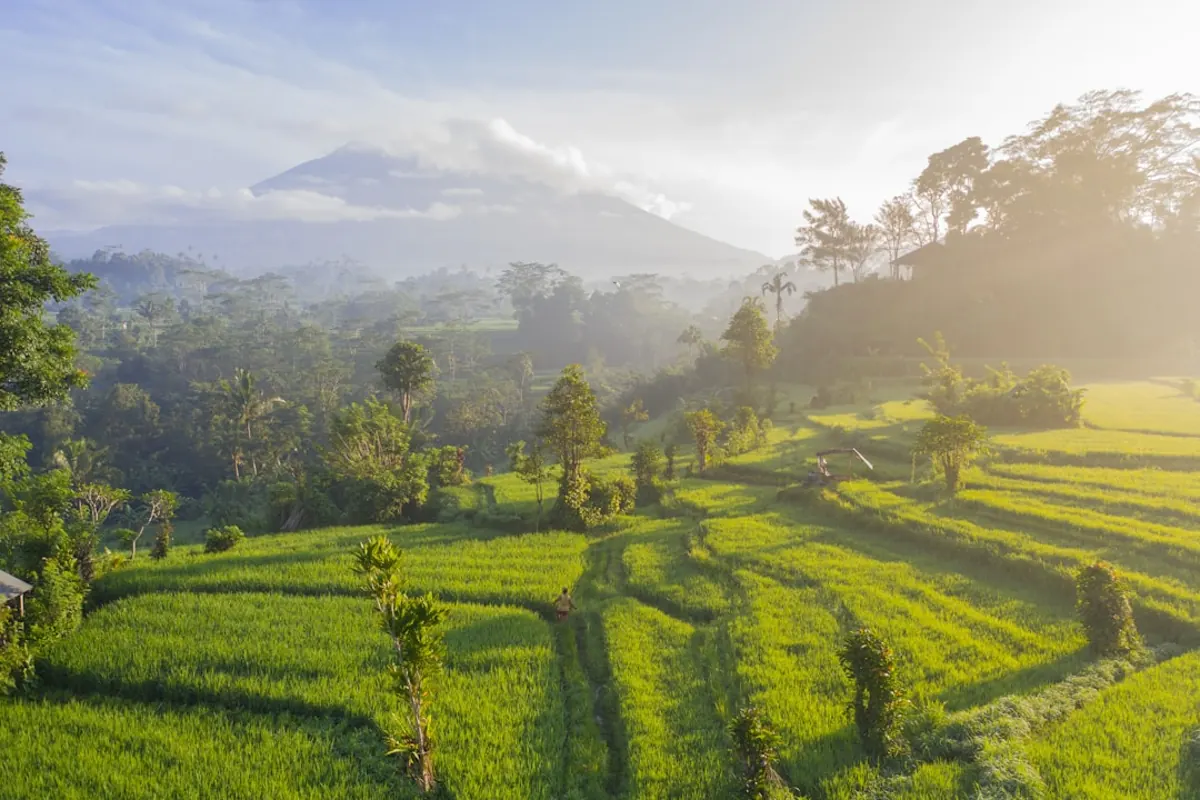
The climate in Komodo is characterized by a tropical savanna climate, which can be broadly categorized into two main seasons: the dry season and the wet season.
Dry Season (April to November)
The dry season is the best time for helicopter tours and diving trips in Komodo. During this period, the weather is generally more stable, and the sea conditions are favorable.
- Temperature: Average temperatures range from 26°C to 34°C (79°F to 93°F).
- Humidity: Humidity levels are lower, making it more comfortable for outdoor activities.
- Visibility: Underwater visibility is at its best, often reaching up to 30 meters (98 feet), which is ideal for diving.
Wet Season (December to March)
During the wet season, you can expect increased rainfall and unpredictable weather patterns. While diving can still be enjoyable, conditions may vary significantly.
- Rainfall: Monthly rainfall can exceed 200 mm (7.9 inches), particularly in January and February.
- Wind: Stronger winds can affect sea conditions, making some dive sites inaccessible.
- Temperature: Average temperatures remain similar, but increased humidity can make it feel warmer.
Impact of Weather on Helicopter Tours
Weather considerations are crucial for helicopter tours. High winds, rain, and low visibility can lead to cancellations or delays. Here are specific weather-related factors to keep in mind:
Wind Speed
Wind speed plays a significant role in helicopter safety. Ideally, wind speeds should not exceed 30 knots (34.5 mph) for safe helicopter operations. Pilots monitor local meteorological reports to determine if conditions are suitable for flying.
Visibility
Good visibility is essential for safe flying. Helicopter tours in Komodo generally require a visibility of at least 5 kilometers (3.1 miles). Low cloud cover can also restrict visibility and may lead to rescheduling.
Precipitation
Heavy rain can cause visibility issues and lead to unsafe flight conditions. During the wet season, it’s wise to check the forecast regularly. Helicopter operators will have strict guidelines regarding weather conditions and will prioritize passenger safety.
Impact of Weather on Diving Trips
Visibility
During the dry season, underwater visibility can be excellent. However, during the wet season, plankton blooms can reduce visibility to as low as 10 meters (32 feet) in some areas.
Sea Conditions
Calm seas are preferable for diving. Current strength can vary significantly, affecting diving conditions. Divers should be aware of local current patterns, especially during the wet season when currents can become stronger due to seasonal changes.
Marine Life Activity
Marine life can be more active during specific seasons. For example, the dry season often sees larger concentrations of fish and other marine species. Meanwhile, certain species, like manta rays, are more frequently spotted during specific months, which can influence your dive planning.
Preparing for Your Trip
Before heading out for your helicopter or diving adventure in Komodo, it’s essential to be adequately prepared for varying weather conditions. Here are some tips:
- Check Forecasts: Always check local weather forecasts leading up to your trip and on the day of your tour.
- Dress Appropriately: Wear suitable clothing for both helicopter flights and diving excursions. Layers are recommended for changing temperatures.
- Stay Hydrated: Keep hydrated, especially during the hotter months. It’s crucial for both diving and overall health.
- Consult Experts: Speak with tour operators about the best times to visit, and follow their advice regarding weather conditions.
Additional Considerations
While weather considerations are paramount, it’s also essential to be aware of other factors that can impact your trip:
Legal Status and Regulations
All helicopter and diving operations in Komodo are subject to local regulations. Ensure you are traveling with a licensed operator and understand any permits required for diving or helicopter tours. Compliance with these regulations ensures the safety of both visitors and the environment.
Health and Safety Precautions
In addition to weather-related concerns, travelers should consider health and safety precautions. Be aware of health advisories, have travel insurance, and ensure vaccinations are up to date prior to your trip.
Ideal Travel Seasons for Komodo Helicopter and Dive Adventures
For a safe and pleasant experience in Komodo, consider planning your helicopter and diving trips during the dry season, from April to November, when weather conditions are generally favorable. This period offers clear skies and calmer seas, enhancing both aerial views and underwater visibility. However, if your travel dates fall in the wet season, which spans December to March, meticulous planning can still lead to rewarding adventures. Before booking, it’s wise to compare packages to tailor your journey to your preferences.
For specific planning details, you can visit Heli Bali Komodo or check availability to ensure a seamless trip.