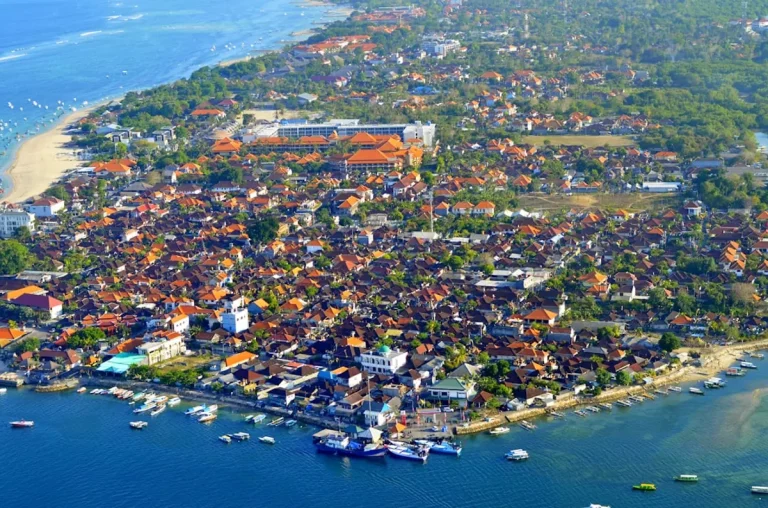
How Bali’s weather affects helicopter tour schedules
– Rainfall patterns can lead to cancellations or rescheduling.
– Wind speeds impact flight safety and routing.
– Temperature variations influence passenger comfort and operational efficiency.
Understanding Bali’s Weather Patterns

Bali, located in Indonesia, has a tropical climate characterized by two primary seasons: the dry season and the wet season. The dry season typically runs from April to October, while the wet season spans from November to March. Understanding these patterns is crucial for planning helicopter tours, as weather conditions directly impact flight safety and scheduling.
Dry Season: Optimal Conditions for Helicopter Tours
The dry season is the most favorable time for helicopter tours. During this period, the weather is generally stable, leading to clearer skies and more predictable flight paths.
- Temperature: Average temperatures range from 24°C to 30°C (75°F to 86°F).
- Rainfall: Rainfall is minimal, averaging around 30-50 mm per month.
- Wind Speed: Wind speeds remain low, generally under 15 km/h (9 mph).
In this climate, helicopter operators can maintain regular schedules, allowing for more consistent tour offerings. Additionally, the scenic views of Bali’s landscapes, including its beaches, rice terraces, and volcanic mountains, are enhanced due to the clear skies.
Wet Season: Challenges and Considerations
The wet season presents challenges for helicopter tour schedules. Rainfall is more frequent, and thunderstorms can occur, leading to potential cancellations or delays.
- Temperature: Average temperatures remain similar, around 25°C to 31°C (77°F to 88°F).
- Rainfall: Rainfall can increase significantly, averaging 200-300 mm per month.
- Wind Speed: Wind speeds can vary, often exceeding 20 km/h (12 mph).
During this season, pilots must closely monitor weather forecasts. Sudden rain or thunderstorms can lead to risky flying conditions, and safety is always the top priority. Helicopter tour operators may reschedule flights to ensure passenger safety and comfort.
Impact of Weather on Flight Operations
Weather considerations for heli tours in Bali extend beyond just rain and wind. Operators must account for various meteorological factors that can influence flight operations:
Visibility
Low visibility caused by fog or heavy rain can limit flight operations. Helicopter pilots rely on clear visibility for safe navigation. If conditions are not conducive, flights will be postponed or canceled.
Temperature Effects
High temperatures can affect helicopter performance. Helicopters operate less efficiently in extreme heat, potentially limiting the weight of passengers and cargo. Operators may adjust flight plans to accommodate these factors.
Wind Conditions
Strong winds can pose significant challenges for helicopter flights. Turbulence and gusts can affect stability during takeoff and landing. Operators may delay flights until wind conditions improve, ensuring passenger safety.
Planning Your Helicopter Tour
To maximize your experience with Heli Bali Komodo, consider the following tips for planning your helicopter tour:
- Check the Weather Forecast: Keep an eye on local weather updates leading up to your tour date.
- Be Flexible: Be prepared for potential rescheduling, especially during the wet season.
- Choose the Right Season: Plan your trip during the dry season for the best chance of clear weather.
Booking and Pricing Considerations
When booking a helicopter tour, understanding the pricing structure is essential. Pricing for helicopter tours in Bali can vary based on several factors:
- Tour Duration: Shorter flights (15-30 minutes) can range from $200 to $400 per person, while longer tours (1 hour or more) may cost between $600 and $1,200.
- Group Size: Prices can vary based on the number of passengers, with discounts often available for larger groups.
- Custom Packages: Customized tours, which may include specific destinations or experiences, can affect overall pricing.
For the latest pricing and exclusive offers, check our website at Heli Bali Komodo.
Conclusion: Safety and Experience First
Weather considerations for heli tours in Bali are paramount. As a tropical destination, the island’s weather can change rapidly, impacting flight schedules and safety. By understanding the seasonal patterns and being aware of factors such as visibility, temperature, and wind conditions, potential travelers can better prepare for their helicopter experience.
While the wet season may present some challenges, it also offers unique opportunities for adventure seekers. Helicopter tours can provide sweeping views of Bali’s lush landscapes, even amidst occasional rain. Ultimately, prioritizing safety and flexibility will ensure a memorable and enjoyable experience when exploring Bali and the Komodo Islands from the skies.
Planning specifics? See see current rates or check availability.