Understanding Indonesian regulations for tourist helicopter flights
– All operators must have the necessary permits and certifications.
– Flight operations are restricted in certain areas for environmental protection.
– Compliance with safety regulations is mandatory for all tours.
Overview of Indonesian Aviation Regulations for Helicopter Tours
Indonesia’s aviation landscape is governed by a complex framework of regulations designed to ensure safety, security, and protection of the environment. For those interested in helicopter tours, understanding these regulations is crucial for both operators and tourists. The regulations outline the operational standards that must be met and provide a framework for safe and enjoyable experiences.
Key Regulatory Bodies
The primary authority overseeing aviation in Indonesia is the Directorate General of Civil Aviation (DGCA), which falls under the Ministry of Transportation. This body is responsible for enforcing regulations related to air traffic, aircraft safety, and pilot licensing. In addition to the DGCA, local authorities may impose additional regulations, particularly in sensitive regions such as national parks and marine conservation areas.
Licensing and Permits
Before embarking on a helicopter tour in Indonesia, it’s essential to ensure that the operator possesses the required licenses and permits. The following are key points regarding licensing:
Operator Requirements
– **Air Operator Certificate (AOC)**: Helicopter tour operators must hold a valid AOC issued by the DGCA, demonstrating their compliance with safety standards.
– **Pilot Licensing**: All pilots must have appropriate licenses, including a Commercial Pilot License (CPL) with a helicopter rating. Regular medical examinations and proficiency checks are also mandated.
– **Insurance**: Operators must carry liability insurance to cover any potential accidents or incidents.
Environmental Regulations
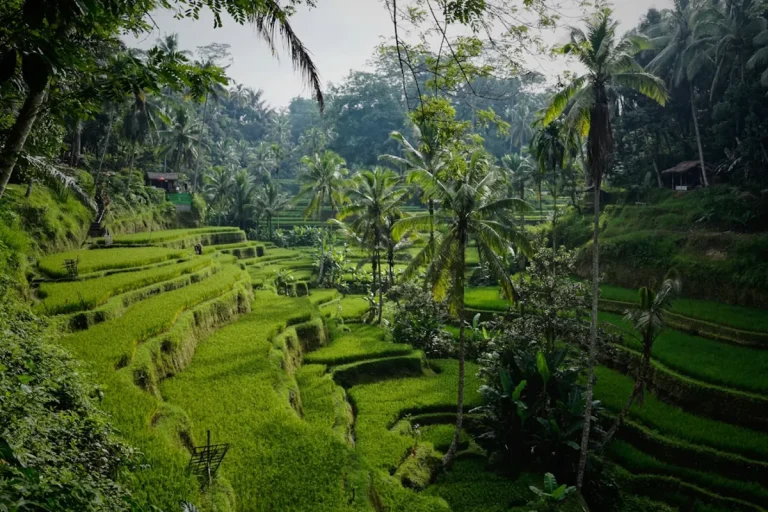
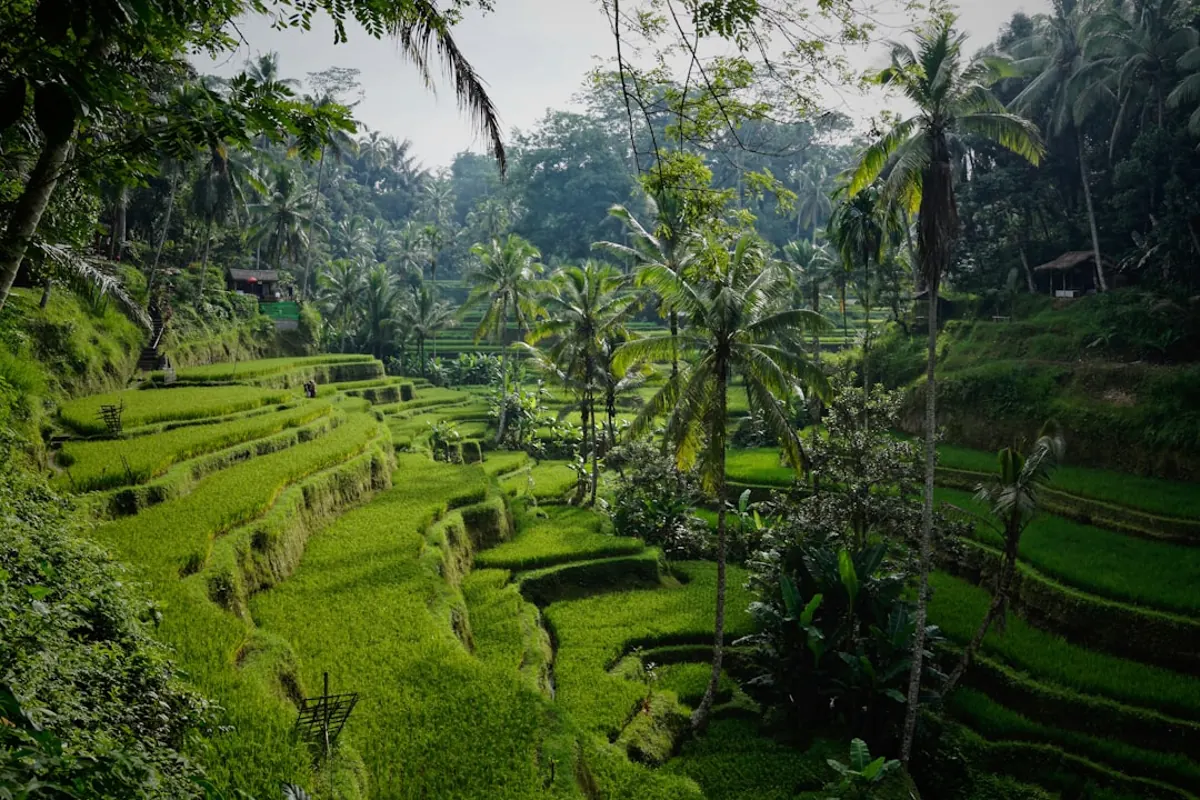
Indonesia is home to diverse ecosystems, particularly in areas such as Bali, the Komodo Islands, and Flores. Helicopter tours must adhere to several environmental regulations to minimize their impact:
Protected Areas
– **No-Fly Zones**: Certain regions, such as national parks and marine reserves, may have restrictions on helicopter flights to protect wildlife and their habitats.
– **Noise Regulations**: Operators must comply with noise abatement procedures to minimize disruption to local communities and wildlife.
– **Environmental Impact Assessments (EIA)**: For new tour operations, an EIA may be required to assess the potential environmental impacts.
Safety Regulations
Safety is paramount in aviation, particularly for tourist helicopter flights. The DGCA has implemented various safety regulations:
Operational Standards
– **Maintenance**: Helicopters must undergo regular maintenance checks as per the DGCA’s guidelines to ensure airworthiness.
– **Safety Briefings**: Operators are required to conduct safety briefings for passengers before each flight, covering emergency procedures and equipment usage.
– **Emergency Protocols**: Clear protocols must be established for emergencies, including communication plans and evacuation procedures.
Pricing and Best Seasons for Travel
When planning a helicopter tour in Indonesia, it’s important to consider pricing and the best times for travel. Prices can vary significantly based on the following factors:
Helicopter Tour Pricing
– **Tour Duration**: Typically, helicopter tours last between 30 minutes to 2 hours, with prices ranging from $300 to $1,500 per person, depending on the length and exclusivity of the tour.
– **Route and Destination**: Tours that cover more popular or remote destinations may have higher costs due to operational complexities.
– **Group Size**: Prices may decrease per person for larger group bookings, allowing for shared costs.
Best Seasons for Helicopter Tours
– **Dry Season**: The ideal time for helicopter tours in Indonesia is during the dry season, which runs from April to October. This period typically offers clearer skies and better visibility.
– **Wet Season**: From November to March, flights may be affected by rain and storms, which can limit visibility and pose safety risks.
Conclusion: Compliance and Enjoyment
Understanding Indonesian aviation regulations for helicopter tours is essential for both operators and tourists. Compliance with licensing, environmental, and safety regulations ensures a secure and enjoyable experience. Tourists are encouraged to choose reputable operators like Heli Bali Komodo, who prioritize safety and adhere to regulatory requirements.
For more detailed information on helicopter tours and the unique experiences offered in Bali and the Komodo Islands, visit our heli Bali Komodo Pricing & Cost Guide guide. Planning your adventure in compliance with local regulations not only enhances safety but also contributes to the sustainable exploration of Indonesia’s natural beauty.
Planning specifics? See explore the options or book Heli Bali Komodo | Helibalikomodo.